Terms & Conditions of Use

PLEASE READ THESE TERMS AND CONDITIONS OF USE CAREFULLY BEFORE USING THIS WEB SITE. BY USING THIS WEB SITE, YOU AGREE TO THESE TERMS AND CONDITIONS. IF YOU DO NOT AGREE TO THESE TERMS AND CONDITIONS, DO NOT USE THIS WEB SITE.

We reserve the right to revise these Terms and Conditions or any portion of them at any time, without notice, by updating this posting. You are bound by any revisions and should periodically visit this page to review the current Terms and Conditions that apply to your use of our Web site. If you violate any of these Terms and Conditions, your permission to use the content contained in our Web site automatically terminates and you must immediately destroy any copies you have made of the content.

This Web site is provided by Kadant Inc. and may be used for informational purposes only. Throughout these Terms and Conditions, the words “we,” “us,” “our” and “Kadant” refer to Kadant Inc., its divisions, subsidiaries and affiliates.

Copyright and Trademark Information 

Copyright 2020 Kadant Inc. or its affiliates. All rights reserved.

All of the trademarks, service marks and logos displayed on this Web site are registered and unregistered trademarks of Kadant or third parties who have licensed their trademarks to Kadant. This Web site and the information that it contains (“Content”) is the property of Kadant, its affiliates and licensors, and is protected from unauthorized copying and dissemination by United States copyright law, trademark law, international conventions and other intellectual property laws. You are only permitted to use this Web site and its Content as expressly authorized by Kadant. Nothing contained herein transfers any express or implied right, title or interest in the Web site or its Content to you.

Use of Kadant Web Site and Content
You may download, view, copy and print Content from our Web site, subject to the following:

  • Content may be used solely for personal, informational, or non-commercial purposes and may not be used for any public or commercial purpose;
  • Any and all copyright, trademark and other proprietary rights notices must appear on all copies, including the copyright notice at the bottom of the page;
  • Content may not be modified or altered in any way; and
  • No graphics may be used separate from accompanying text.

Except as provided above, you may not use, download, upload, copy, print, display, perform, reproduce, publish, license, post, transmit, frame, mirror on another Web service, use any meta tags, inline any graphics or distribute any Content from our Web site in whole or in part without the prior written permission of Kadant. Any rights not expressly granted herein are reserved. Nothing on this Web site shall be construed as conferring any license under any of Kadant’s or any third party’s intellectual property rights, whether by estoppel, implication, or otherwise. Kadant prohibits the use of any Kadant trademark, or any related graphic, as a “hot link” or “hyperlink” to any Web site unless expressly approved by Kadant.

Links to Third-Party Sites
Our Web site may provide links to Web sites operated by Kadant outside of the United States as well as Web Sites operated by third parties. Please refer to the separate terms of use, privacy policies, and other rules posted on these linked sites before you use them. Third-party links are provided solely as a convenience to you. When you use these links, you will leave our Web site. By providing these links, we are not endorsing, adopting or agreeing with any of the content of the linked sites or the products or services of that third party. We do not review or control the content of third-party Web sites and that content is not part of our Web site. We expressly disclaim any responsibility for the content of any third-party Web sites linked to our Web site or the products or services of that third party. We do not make any representations regarding the content or accuracy of materials on third-party Web sites or the products or services of third parties.

Stock Price Disclaimer
The stock price performance shown on stock quotes available on or through our Web site is not necessarily indicative of future price performance. All material is for informational purposes only and no material (including, without limitation, stock quotes or company information) is intended to be relied upon for trading or investment purposes. Neither Kadant nor its data providers guarantee the accuracy or completeness of any stock price or other data displayed, nor shall any such party be liable in any way to the user of the data for any delays, inaccuracies, errors in, or omission of any such data. Kadant will not be responsible for any trading or investment decisions made based on such Content.

Securities Laws
The following constitutes a “Safe Harbor” statement under the Private Securities Litigation Reform Act of 1995. Our Web site contains forward-looking statements that involve a number of risks and uncertainties, including forward-looking statements regarding our products, services and technologies, technical specifications, performance criteria and potential operating savings, and our business operations and financial performance. Forward-looking statements are statements concerning possible or assumed future results of operations and are based upon the beliefs and assumptions of our management, using currently available information. When we use words such as “believes,” “expects,” “anticipates,” “intends,” “plans,” “estimates,” “should,” “likely,” “will,” or similar expressions, we are making forward-looking statements. You should not put undue reliance on any forward-looking statements. Important factors that could cause our actual results to differ materially from those indicated by such statements include risks and uncertainties set forth under the heading “Risk Factors” in Kadant’s most recently filed annual report on Form 10-K and subsequent filings with the Securities and Exchange Commission. These filings are available from Kadant upon request and without charge. We undertake no obligation to publicly update any forward-looking statement, whether as a result of new information, further events, or otherwise. This Web site and its Content do not constitute an offer or solicitation of an offer for sale of any securities. None of the Content is intended to be, and shall not be deemed to be, incorporated into any of our securities filings or documents.

Resume Submission
Kadant may allow online submission of resumes in response to job postings on our Web site. Any personal information provided in connection with the submission of a resume will be subject to our Privacy Statement. You agree not to post any false or inaccurate biographical information. Recruiters representing candidates may not send candidates’ resumes in response to job postings. There is a risk that your resume may be lost or intercepted by a third party if you submit it through the Kadant Web site. Kadant cannot be held responsible for any loss arising from the transmission or use of resumes obtained through the Kadant Web site.

Disclaimers and Limitation of Liability
Kadant does not warrant that its Web site will operate error-free or that its Web site and its server are free of computer viruses and other harmful components. If your use of our Web site or the Content results in the need for servicing or replacing equipment or data, Kadant is not responsible for those costs.

YOU ASSUME TOTAL RESPONSIBILITY AND RISK FOR YOUR USE OF OUR WEB SITE. THIS WEB SITE AND ITS CONTENT, INCLUDING PRODUCT SPECIFICATIONS, ARE PROVIDED ON AN ‘AS IS’ AND ‘AS AVAILABLE’ BASIS. KADANT EXPRESSLY DISCLAIMS ALL REPRESENTATIONS AND WARRANTIES OF ANY KIND, WHETHER EXPRESS OR IMPLIED, INCLUDING BUT NOT LIMITED TO WARRANTIES OF MERCHANTABILITY, NON-INFRINGEMENT OF THIRD PARTIES’ RIGHTS OR FITNESS FOR A PARTICULAR PURPOSE. KADANT MAKES NO REPRESENTATIONS OR WARRANTIES ABOUT THE ACCURACY, RELIABILITY, COMPLETENESS OR TIMELINESS OF THE CONTENT, SERVICES, SOFTWARE TEXT, GRAPHICS AND LINKS ON ITS WEB SITE. SOME JURISDICTIONS DO NOT ALLOW FOR THE EXCLUSION OF IMPLIED WARRANTIES, SO SOME OF THE ABOVE EXCLUSIONS MAY NOT APPLY TO YOU.

UNDER NO CIRCUMSTANCES SHALL KADANT BE LIABLE FOR ANY DIRECT, INDIRECT CONSEQUENTIAL, INCIDENTAL, SPECIAL, EXEMPLARY, PUNITIVE, MULTIPLE OR OTHER DAMAGES WHATSOEVER (INCLUDING, WITHOUT LIMITATION, THOSE RESULTING FROM LOST PROFITS, LOST DATA OR BUSINESS INTERRUPTION) ARISING OUT OF THE USE, INABILITY TO USE, OR THE RESULTS OF USE OF OR RELIANCE ON THIS WEB SITE, ANY WEB SITES LINKED TO THIS WEB SITE, OR THE CONTENT CONTAINED ON ANY OR ALL SUCH WEB SITES, OR ANY CLAIM ATTRIBUTABLE TO ERRORS, OMISSIONS, OR OTHER INACCURACIES ON THIS WEB SITE, WHETHER BASED ON WARRANTY, CONTRACT, TORT OR ANY OTHER LEGAL THEORY AND WHETHER OR NOT KADANT HAS BEEN ADVISED OF THE POSSIBILITY OF SUCH DAMAGES. THIS LIMITATION OF LIABILITY APPLIES TO, BUT IS NOT LIMITED TO, THE TRANSMISSION OF ANY DISABLING DEVICE OR VISUSES WHICH MAY AFFECT YOUR EQUIPMENT, FAILURE OF MECHNICAL OR ELECTRONIC EQUIPMENT OR COMMUNICATION LINES, TELEPHONE OR OTHER INTERCONNECT PROBLEMS, UNAUTHORIZED ACCESS, THEFT, BODILY INJURY, PROPERTY DAMAGE, OPERATOR ERRORS OR ANY FORCE MAJEURE. SOME JURISDICTIONS DO NOT ALLOW THE LIMITATION OR EXCLUSION OF LIABILITY, AND SO SOME OF THE ABOVE LIMITATIONS MAY NOT APPLY TO YOU.

International Users
This Web site is controlled and operated in whole or in part by Kadant from its offices within the United States of America. Kadant makes no representation that information on this Web site is appropriate or available for use outside the United States. Those who choose to access this Web site from outside the United States do so on their own initiative and are responsible for compliance with local laws, if and to the extent local laws are applicable.   Indemnification By using this Web site, you agree to defend, indemnify and hold harmless Kadant, its subsidiaries, affiliates, officers, directors, employees and agents, from and against any claims, actions or demands, losses, liabilities, and all costs and expenses of defense, including, without limitation, reasonable legal and accounting fees, alleging or resulting from your use of the Content (including software), access to the Web site or your breach of these Terms and Conditions.   General Information These Terms and Conditions represent the entire agreement between you and Kadant relating to the subject matter herein and shall not be modified except by Kadant by updating this posting as provided herein or through a written document signed by both parties.

If any provision of these Terms and Conditions is held invalid or unenforceable by any court of competent jurisdiction, that provisions will be deemed severable and will not affect the validity and enforceability of the remaining provisions. Kadant may, at its sole discretion and without notice, revise such invalid or unenforceable provision of these Terms and Conditions with a valid and enforceable provision that will achieve, to the extent possible, the economic, business and other purposes of such invalid or unenforceable provision, by updating this posting.

These Terms and Conditions are governed by and shall be construed in accordance with the laws of the Commonwealth of Massachusetts, United States of America, notwithstanding any principles of conflicts of laws. The United Nations Convention on Contracts for the International Sale of Goods does not apply to these Terms and Conditions. You agree that any legal action or proceeding between Kadant and you for any purpose concerning these Terms and Conditions or the parties’ obligations hereunder shall be brought exclusively in a federal or state court of competent jurisdiction sitting in the Commonwealth of Massachusetts, and all parties waive any objection to the personal jurisdiction or venue in such courts.   Acknowledgment By accessing this Web site, you agree to all of these Terms and Conditions and to comply with all applicable rules and regulations, including, without limitation, U.S. export and re-export laws and regulations regarding the transmission of technical data exported from the United States or the country in which you reside. You acknowledge that you have read and understood these Terms and Conditions and that these Terms and Conditions have the same force and effect as a signed document.  

Contacting Us
If you have any questions about our Terms and Conditions of Use, please use the Contact Us page. 

Privacy Statement
See the Privacy Statement to view our privacy policy and practices.

Updated July 2006
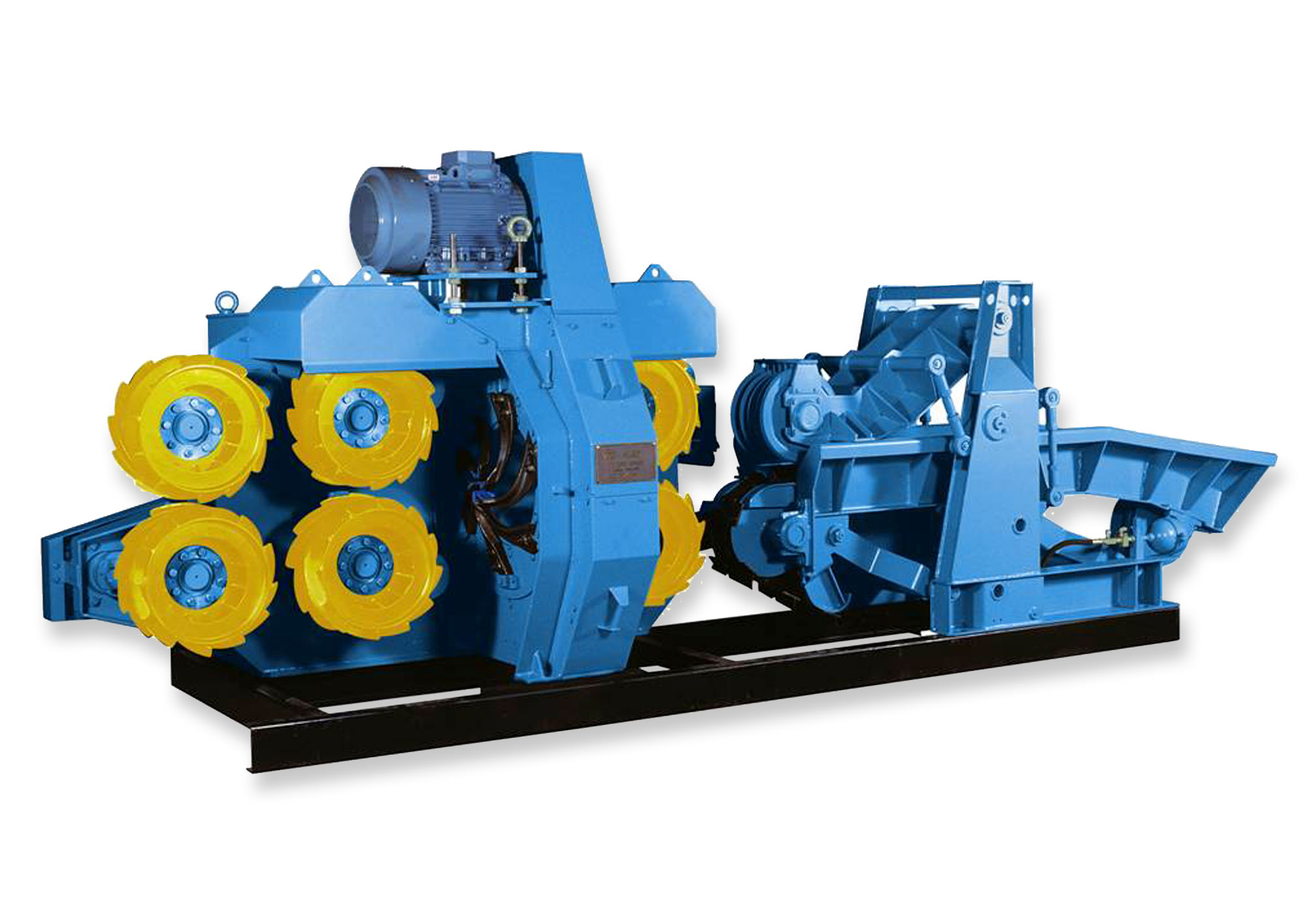
VK450

VK450

The debarker model VK450 was the first of the “new generation” VK debarker models followed by models VK600 and VK800. It quickly became the most sought-after small log debarker on the market. This proven technology still serves hundreds of small log sawmills around the world. The long-lasting popularity of the VK450 debarker is based on its reliability and ease of use, which guarantees high-quality debarking results with minimum operating cost.

Features

  • Fixed debarking rotor – centering of logs with infeed conveyor
  • Fully automatic debarker – no operator needed
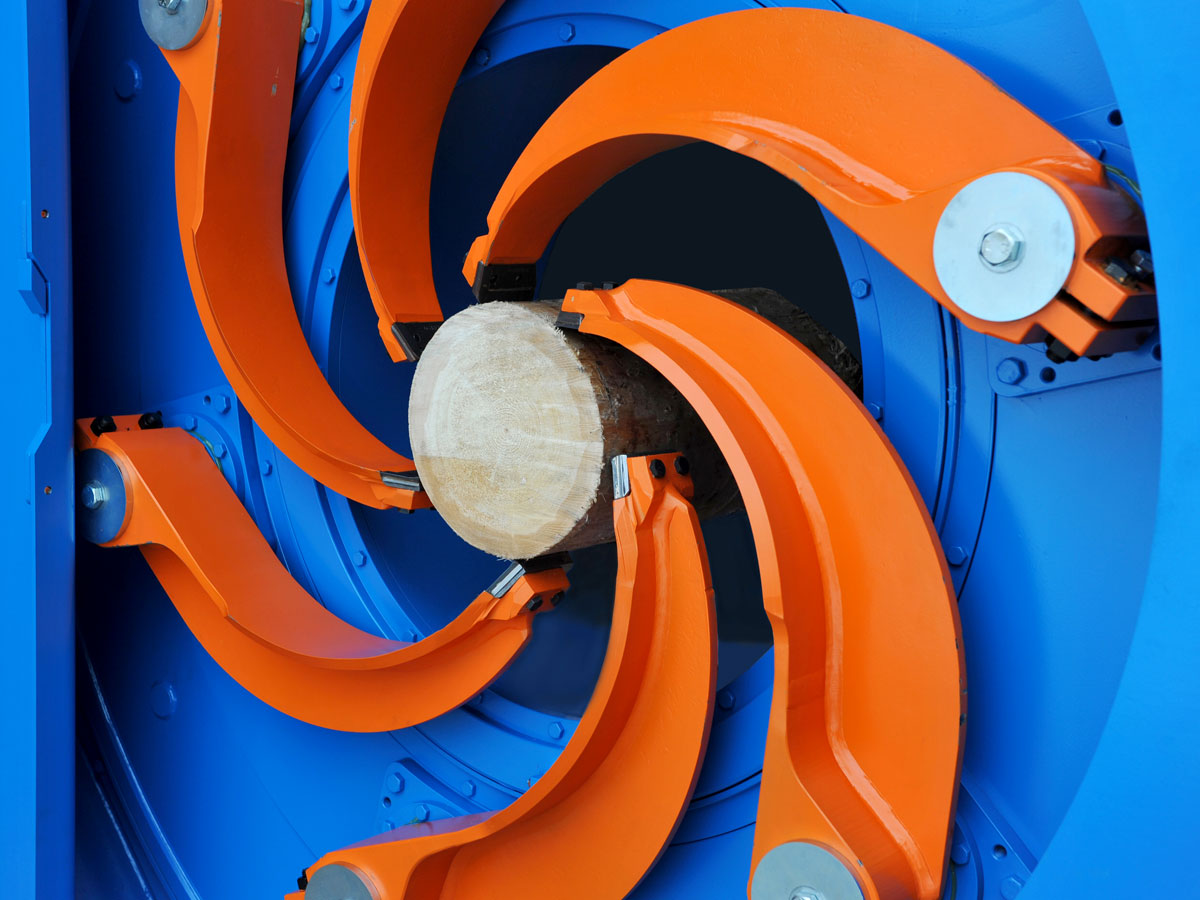
  • Rotor size Ø48 cm – always with six debarker tool arms
  • Hydraulic pressure system for tool arms
  • Feedroll size Ø58 cm
  • Standard model comes with six feedrolls – eight feedroll version available for short logs (SL-version)
  • Hydraulic pressure system for feedrolls
  • VK infeed conveyor always as standard

Benefits

  • Simple construction of both the rotor and machine frame allowing for easy maintenance
  • Strong tool arms are made of forged steel – replaceable carbide tool tips
  • Different tool tip versions available ensuring optimal debarking quality in varying conditions
  • Feedrolls with replaceable inserts (FibreMax) for easy maintenance – different insert types available ensuring grip in varying conditions

  • Simple hydraulic system of feedrolls facilitates maintenance and guarantees steady production
  • Centering VK infeed conveyor guides logs smoothly between feedrolls for minimal fiber loss

VK450

VK450 VK450SL VK450HD VK450HDSL
Debarking diameter (mm) 80 - 480 80 - 480 80 - 480 80 - 480
Min. log length (m) 2.2 1.7 2.2 1.7
Weight (kg) 13,500 13,900 14,400 14,500
Motor: rotor (kW) 55 55 55 55
Motor: feedworks (kW) 3x11 3x11 3x11 3x11

Media

VK450

References

During the last several decades, we have helped thousands of customers in the woodworking industry worldwide in their investment projects for debarking.

International Projects

North American Projects

the latest Kodiak Deliveries

  • West Fraser, Inc., Opelika, Alabama, United States
  • West Fraser, Inc. Joyce, Louisiana, United States
  • Weyerhaeuser, Millport, Alabama, United States
  • Angelina Forest Products, Lufkin, Texas, United States
  • New South Lumber Company (a Division of Canfor), Camden, South Carolina, United States
  • New South Lumber Company (a Division of Canfor), Conway, South Carolina, United States
  • Portage Wood Products, Portage, Maine, United States
  • PotlatchDeltic Corporation, Ola, Arkansas, United States
  • Dempsey Wood Products Inc., Orangeburg, South Carolina, United States

  • Morgan Lumber Company Inc., Red Oak, Virginia, United States

Butt flare Reducing

Together with debarking

Valon Kone’s butt reducing combined with the debarker has become standard especially in the sawmill industry in Scandinavia, Finland, and Russia. Over the last nearly 30 years, we have delivered over 150 debarkers equipped with a reducing rotor worldwide. The biggest advantage of butt reducing together with debarking is that a log does not have to be stopped for reducing. Instead it simply moves along the line, generally at debarking speed. VK butt reducing is mainly designed for plants where logs are pre-sorted by diameter before debarking.
Butt-end Reducing

Automatic feedroll pressure control

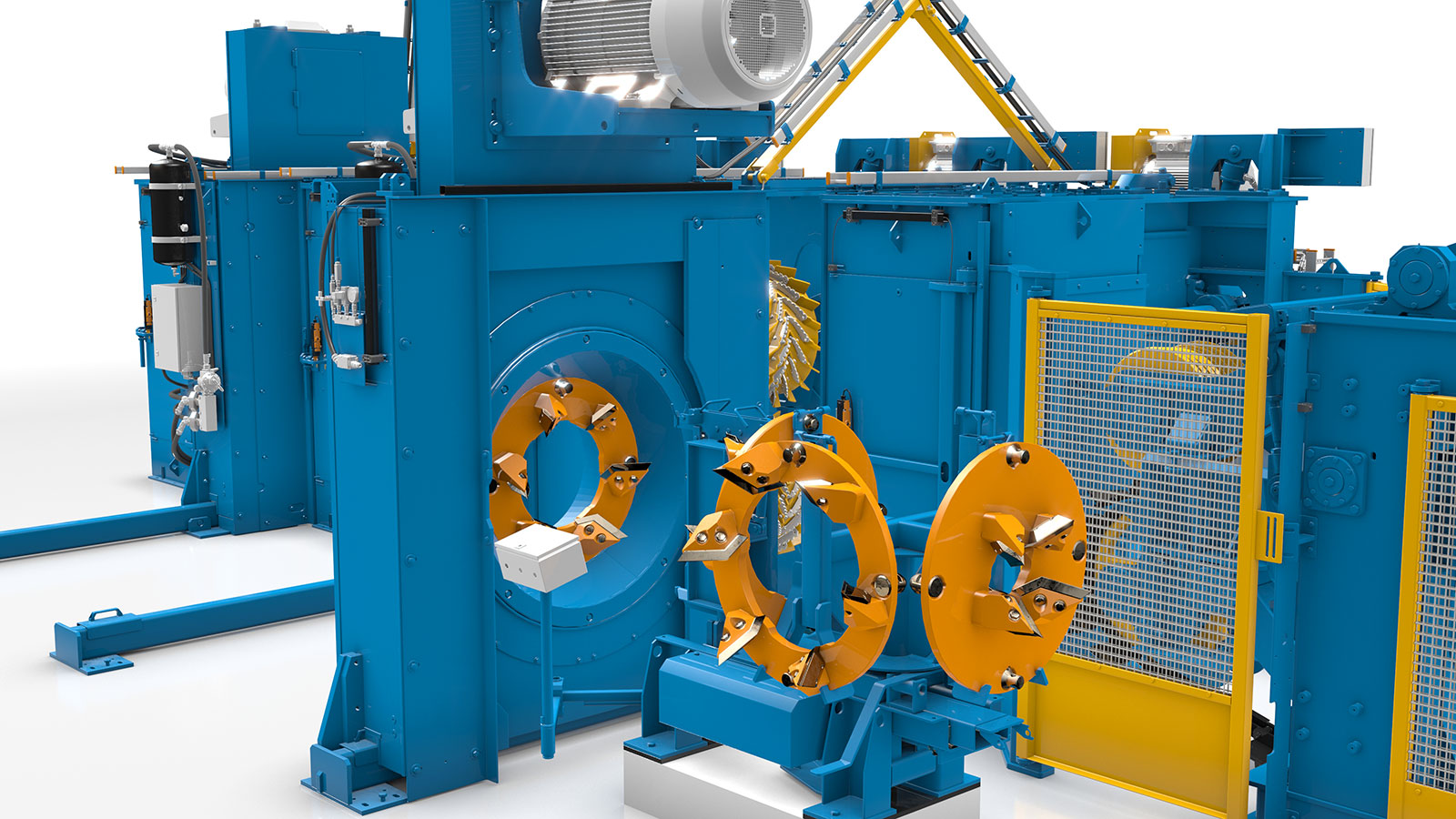
VK butt reducing is carried out with a butt reducing rotor integrated in the debarker, which is always mounted in the first rotor position of the machine frame before debarking. The power transmission from the electric motor to the reducing rotor is carried out by using V-belts.

The butt reducer cuts wood crosswise towards the log’s infeed direction. For this reason, the power required is significantly greater when compared to the debarking process. Holding the log during reducing requires a lot more holding force from the feedrolls, whereas in the debarking process, the bark is only abraded away from the wood surface. The pressure level of the feedrolls is adjusted automatically to a higher level.

Changeable reducing rings

The reducing tools are mounted on the reducing ring, which is mounted on a rotary wheel. The log is fed through the reducing ring. The reducing tool is mounted on the side of the opening cut, removing a maximum of 10 cm from both sides (reducing a maximum total of 20 cm). The debarker continuously follows butt diameters and the program reduces the feed speed automatically with large butts, if needed.

The reducing ring opening is fixed. The operator has rings of different openings (usually three to four pieces) in use, which are used according to the log’s diameter class. The rings are locked in the “rotor pulley” with a reliable locking system. The reducing ring is unlocked and the ring is changed with a separate hydraulic change-over device delivered with the debarker, which also functions as a storage holder for the rings. Changing a reducing ring takes about five minutes.

VK Combi means log debarking with in-line butt flare reducing

Reliable and easy to maintain

The simplicity of the system makes a VK butt reducing rotor very reliable and easy to use. As with the debarking rotor, the reducing rotor can also be pulled out to a service position for changing the reducing ring or maintenance.

Learn more about our Products

Brochures

VFR - Variable Flare Reducer

FibreMax Feedrolls

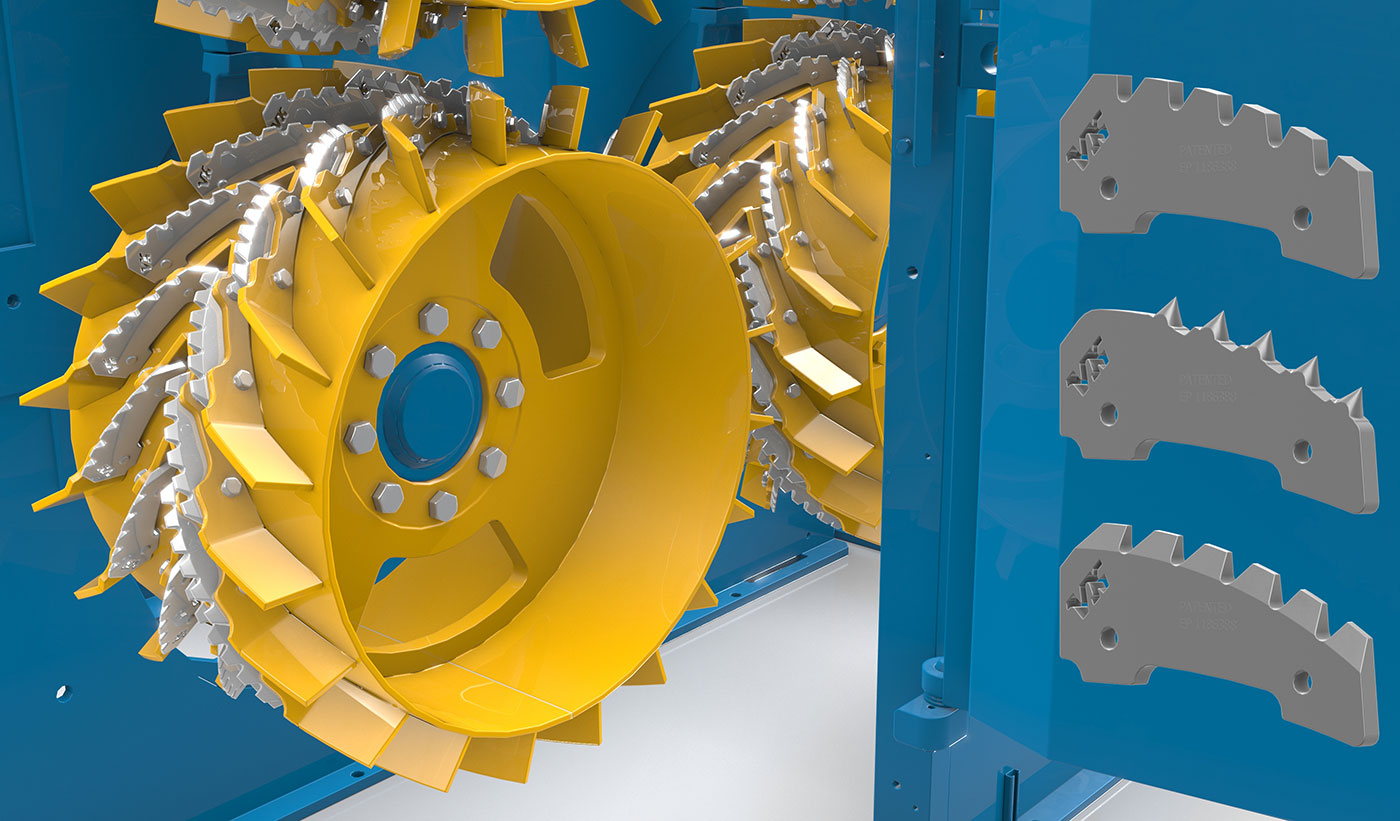
Valon Kone debarkers come standard with new patented FibreMax feedrolls which feature replaceable inserts. The new feedrolls improve efficiency and reliability of the debarker, as well as minimize fiber loss.

Minimal wood loss and better chip quality

FibreMax feedrolls ensure that the log is held in place and that it does not rotate in difficult debarking conditions. Therefore, the risk of splitting the ends of a log is reduced. The new feedrolls do not leave cutting marks on the logs, which improves the quality of the woodchips.
FibreMax feedrolls minimize fiber loss in mills

Three insert types

Three insert types for varying debarking conditions are available and different types can be used simultaneously on separate feedrolls of the machine. This can be done to minimize the marks left on the wood by the rolls.
  • The sharpened teeth is installed as standard in all VK machines. It is intended for debarking in normal conditions.
  • The flat teeth can be used when the grip of the rolls is not as essential. For example, when debarking soaked wood in plywood mills.
  • The spiked insert is intended for debarking/reducing in difficult conditions, when the wood is frozen, for example.

Easier maintenance of the feed rolls

The FibreMax is designed for easy upkeep to further enhance its reliability. The bolt-on inserts can be replaced quickly and without any special expertise. Replacing the inserts of a single roll takes not more than an hour.

Centering VK Infeed Conveyor

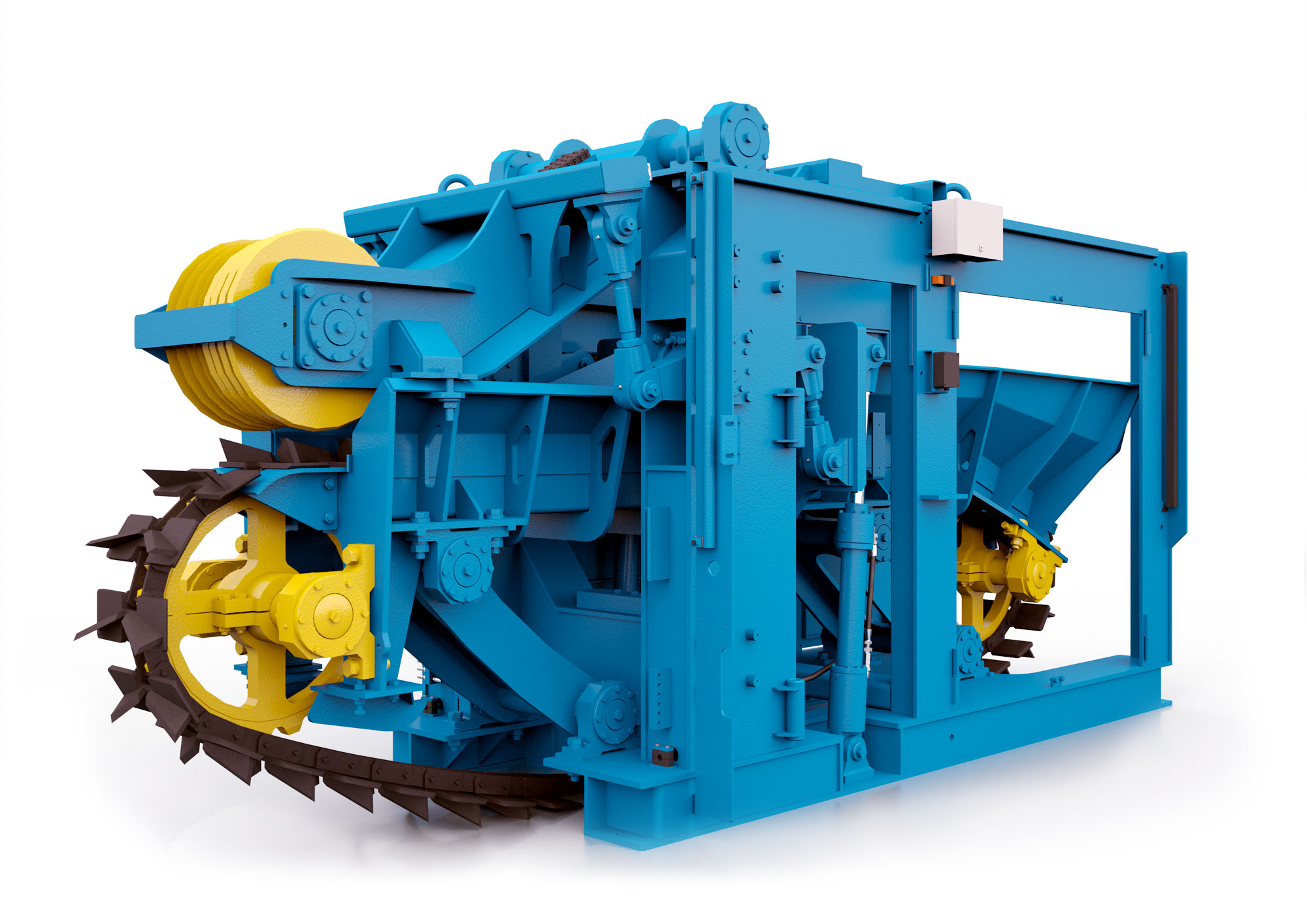
For a number of decades, a centering infeed conveyor has been installed at the front of debarkers we supply, and nowadays it is included in all fixed ring debarker models we manufacture. Sliding rotor machines, in which the debarking rotor is centered according to the log diameter, are supplied without a centering infeed conveyor.

Smooth feeding of logs with centering infeed conveyor

A VK infeed conveyor ensures accurate centering of a log into the infeed line of the debarker, as well as good grip of the log when it enters a debarking rotor. These are the basic conditions for high quality debarking and prevention of log damage. The VK infeed conveyor centers a log both vertically and horizontally (X-Y centering). Centering is done with help of a conveyor trough and a pressure flap/roll, which is connected to it.

The importance of a centering infeed conveyor is emphasized when logs are fed at high speed. One purpose of an infeed conveyor is also to calm logs down before debarking starts.

In a modern sawmill, logs are often fed into a debarker without log gap. In these cases, the importance of an infeed conveyor is vital, in order to ensure smooth operation with no double-feeding of logs. A centering infeed conveyor also allows feeding of curved and other low-grade logs to debarking.

conveyor

Five conveyor models

Valon Kone’s product range includes five different infeed conveyor models.
  • During the last few decades, hundreds of well-known VK450 and VK600 models have been supplied worldwide and their excellent functionality has been proven. Nowadays these models are installed together with the low- and medium-speed debarkers.

  • In addition, we manufacture a conveyor model VK92, which is a robust infeed conveyor for large logs.
  • There are two new generation infeed conveyor models, the VK52 and VK72, which come as standard together with the heavy-duty versions on the new VK5000 and VK8000 series debarkers. VK’s long tradition of manufacturing centering conveyors helped us to rethink the whole design of structures and components that are exposed most to wear, and we replaced them with significantly stronger solutions. Both conveyors are also covered with guard doors, so that it’s safer to use them in operation.

Learn more about our Infeed Conveyors

brochures

VK infeed conveyor

Debarking Rotors

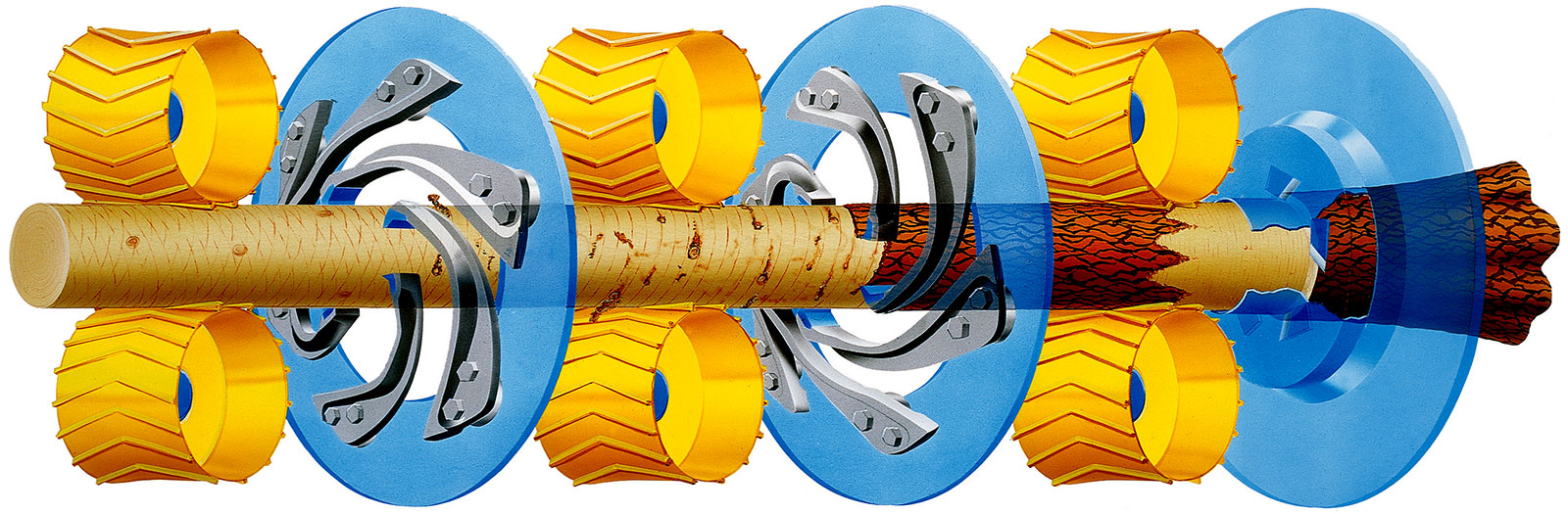
Valon Kone manufactures both fixed debarking rotors (rings) and sliding rings with either hydraulic or pneumatic tool arm pressure. Most of our debarking rotors are equipped with six tool arms, and most fixed-rotor debarkers feature a pull-out rotor that provides easy access for inspection and maintenance, improving serviceability and operator safety.

The original Valon Kone rotor

Since the beginning, Valon Kone has manufactured debarking rotors with hydraulic tool arm tensioning. Each tool arm is equipped with its own hydraulic cylinder and rubber spring, which together apply and maintain the required pressure. Tool arm pressure is adjusted using a separate hand pump by increasing or decreasing the spring tension. Because all hydraulic cylinders are connected to the same hydraulic circuit, pressure can be adjusted quickly and uniformly across all tool arms.

The simplicity of this hydraulic system ensures reliable operation, easy adjustment, and long service life, making it a proven solution for demanding debarking applications.

VK hydraulic debarking rotor for reliable and simple use in sawmills VK Air Seal debarking rotor with Air Seal for excellent debarking quality

The new generation Valon Kone rotor

Originally developed for the North American market, Valon Kone introduced its new-generation pneumatic debarking rotor in the mid-1990s. The technology quickly proved its value, and its success led to its use across Europe and other global markets. Today, Valon Kone's Air Seal rotor technology is used in Kodiak debarkers for North America as well as in VK debarkers supplied worldwide.

The pneumatic rotor uses compressed mill air to generate tool arm pressure. The patented Air Seal system continuously supplies pressurized air from outside the rotor, allowing tool arm pressure to be adjusted automatically during the debarking process. When the rotor is empty, only enough pressure is applied to keep the tool arms in position. As a log enters the rotor, PLC-controlled valves increase the air pressure to a preselected level, providing the force required for efficient bark removal. Once the log leaves the rotor, the additional air pressure is released, and the system returns to its holding pressure, ready for the next log.

Combined with heavy-duty components and a high-capacity air flow system, Valon Kone's Air Seal rotor delivers fast response, reliable operation, and precise pressure control. The result is efficient, high-quality debarking across a wide range of operating conditions.

Tool tips for varying conditions

Three different tool tip models are available for all VK rotor types. The tips are made of hard metal.
  • In a basic tip, the scraper and the cutter are at the same level; it is used for debarking of pine species.

  • Another tip version has a raised cutter; this tip is used for debarking of Spruce and Fir trees.
  • A third tip version has no raised cutter, but a supporting element which helps to avoid log-end damage when the tip is about to leave the log. Known as the “Winter tip”, it is used for debarking of frozen wood.

Retro-fit

All debarking rotors manufactured by Valon Kone can be installed on the old debarkers as a retrofit package. For additional information about VK debarking rotors, please contact Valon Kone Sales

Hydraulic

VK debarking rotors with hydraulic tool pressure
  Fixed Rotors Sliding Rotors
Rotor diameter 480 mm (18″) 900 mm (35″)
  620 mm (24″) 1000 mm (40″)
  820 mm (32″) 1100 mm (43″)

Pneumatic

VK debarking rotors with pneumatic tool arm pressure
  Fixed Rotors Sliding Rotors
Rotor diameter 440 mm (17″) 920 mm (36″)
  560 mm (22″)  
  680 mm (27″)  
  810 mm (31″)  
  920 mm (36″)  

brochures

VK debarking and butt reducing Technology overview

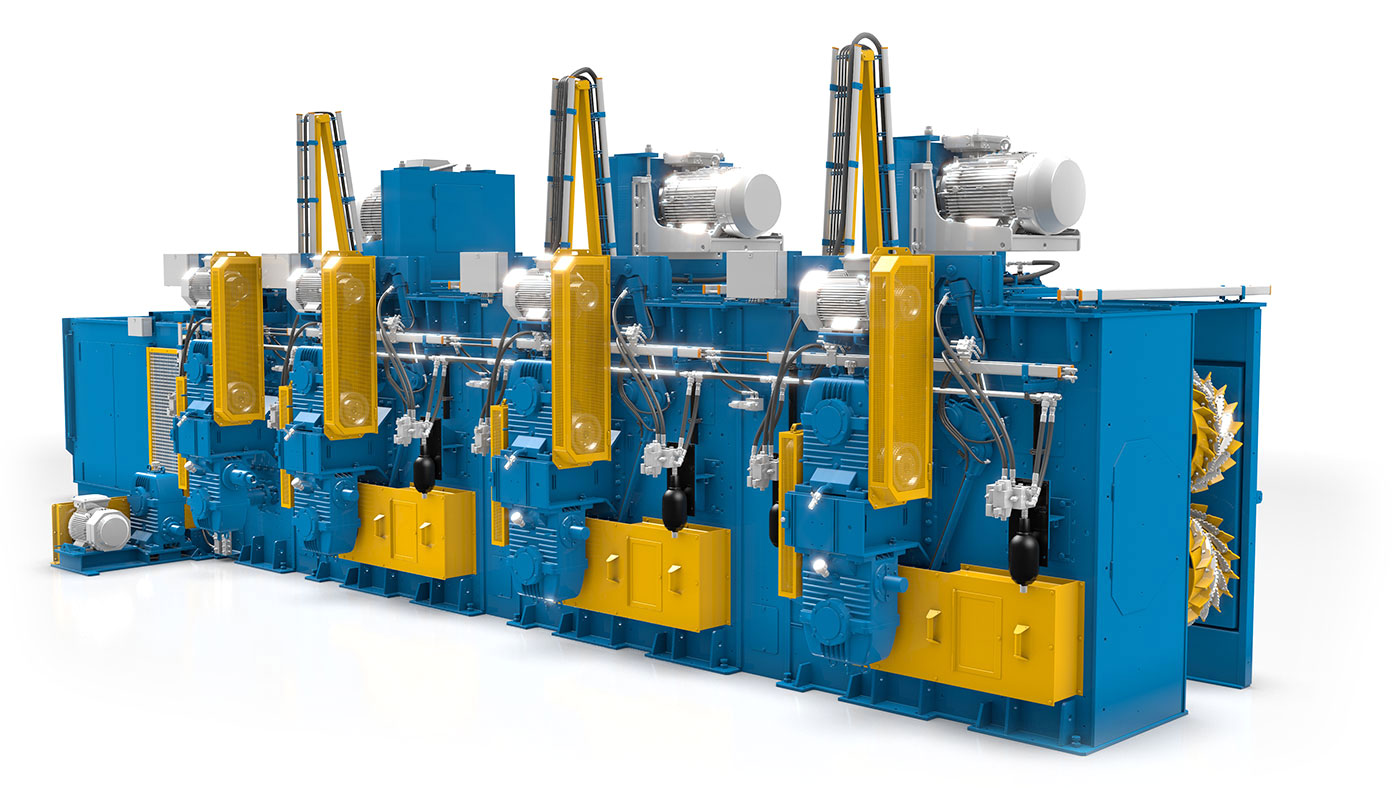
A majority of VK debarkers worldwide are delivered with a fixed debarking rotor. With these, log centering is usually done with a VK centering infeed conveyor. Fixed ring debarkers can have one or two debarking rotor(s). A butt reducing rotor can also be installed together with debarking, where necessary. The sliding ring debarkers are stand-alone machines with no infeed conveyor; the ring centers itself according to log diameter.

VK Technology covers reliable solutions for sawmills and plywood mills

Debarking Different Wood Species

The success of the debarking process depends on achieving two key objectives: removing bark efficiently while minimizing fiber loss. High debarking quality and maximum raw material recovery are essential for optimizing production efficiency and reducing operating costs.

In sawmills, effective debarking also improves the value of wood chips produced as a by-product. Since clean wood chips are used as raw material in pulp production, minimizing bark content helps maximize their value.

Debarking performance is influenced by several factors, including the strength of the bond between the bark and the wood, bark structure, log shape and quality, and operating conditions. Debarking characteristics also vary between wood species and can differ significantly within the same species due to growing conditions. In general, frozen or dry logs are more difficult to debark because the bond between the bark and the wood is stronger.

With more than 75 years of experience, Valon Kone has developed extensive expertise in debarking wood species used across the global forest products industry. Our proven solutions are designed to deliver high-quality debarking under a wide range of operating conditions. Whatever the wood species or application, our specialists can help you select the optimal debarking solution for your production process.

Debarking softwood species

The majority of global lumber production volume is nowadays concentrated on softwood (i.e. coniferous) species like spruce, pine, and fir and their subspecies. In addition, there are significant (but smaller) volumes of lumber produced of several other coniferous species, like larch, hemlock, and Douglas-fir. The binding strength between bark and wood varies throughout the year (fresh vs. frozen) but generally coniferous species are considered to be easy for debarking. We have decades of experience debarking all softwood species around the world.

Learn more about Our Products

Debarking spruce and pine Debarking birch and eucalyptus

Debarking hardwood species

So called stringy bark exists among both softwood (e.g. Spruce, Western Cedar) and hardwood (e.g. eucalyptus) trees. The common feature of species with stringy bark is that the fibers are oriented in a longitudinal direction. This means that when the bark is removed, it creates long, strong strips which easily stick – not only around log feeders and conveyors, but also around debarker knife arms. Such sticking can cause unexpected downtime in production. For decades, we have pioneered methods for debarking species with stringy bark around the world. After years of testing different kinds of cutters and knife tips, we can offer a viable solution for everything from springtime Nordic spruce to fast-growing eucalyptus.

Learn more about Our Products

Debarking wood species with stringy bark

Wood species with so called stringy bark exist among both softwood (e.g. spruce, Western cedar) and hardwood (e.g. eucalyptus) species. The common feature of these species is that fibers of the bark are oriented in longitudinal direction. And after removing, it creates long strong stripes which then easily sticks, not only around log feeders and conveyors, but also around debarker knife arms causing, in worst case, unexpected downtime in production. For decades, we have been the pioneer of debarking species with stringy bark around the world. After years of testing different kinds of cutters and knife tips, we can offer a working solution to the industry whether it`s about springtime Nordic spruce or fast-growing Eucalyptus in the South.

Learn more about Our Heavy-Duty Debarkers

Debarking stringy bark

How Debarking works in Sawmills and Plywood Mills?

Rotor debarking is the most widely used debarking method in the sawmill and veneer industries, including plywood and LVL production. It is the most cost-effective solution for the high production volumes typical of these operations. Compared with other debarking methods, rotor debarking minimizes fiber loss and wood damage, maximizing raw material yield while delivering consistent debarking quality. These advantages make it the preferred choice for sawmills, plywood mills, and other veneer production facilities.

Debarking in sawmills

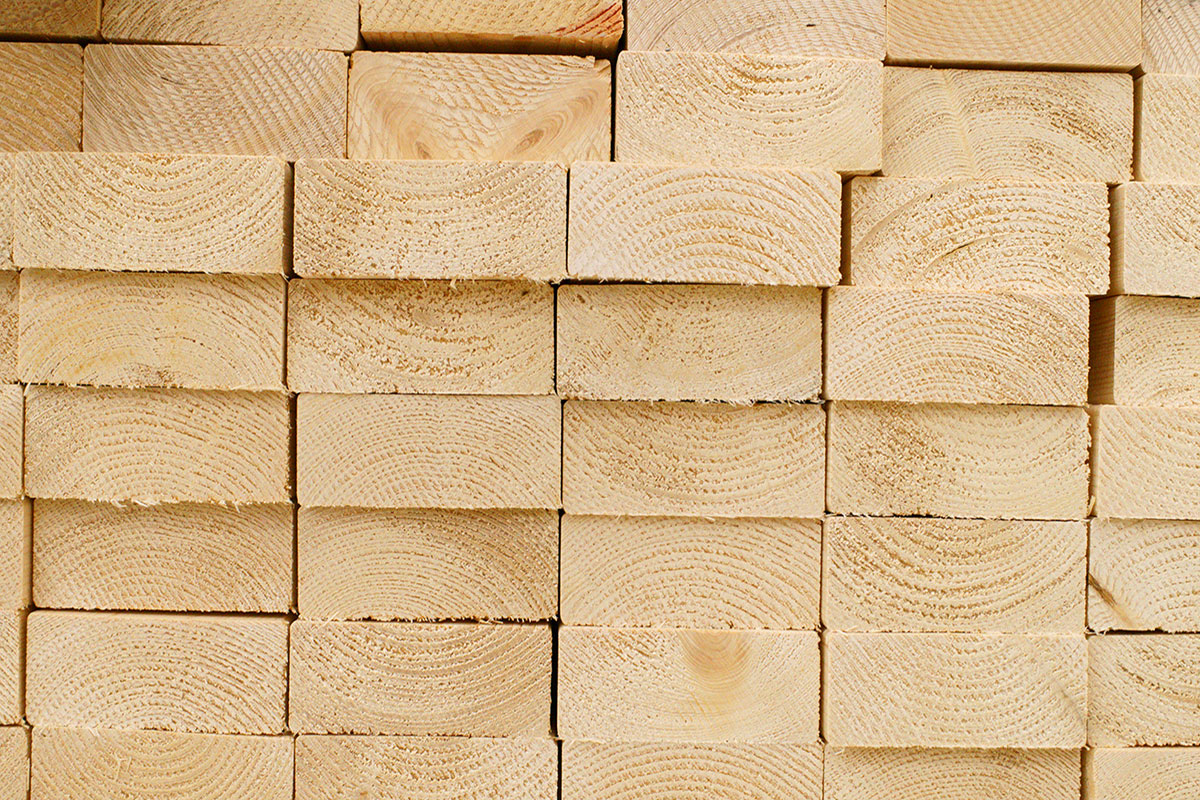
In sawmills, debarkers are typically installed either at the saw line infeed or at the beginning of the log sorting line, before the logs are sorted by diameter. In the Nordic countries and North America, debarkers are most commonly located at the front of the saw line. In contrast, many sawmills in Central and Southern Europe, as well as South America, position the debarker within the log sorting line.

Sawmills

Debarking at the saw line infeed

Positioning the debarker at the saw line infeed requires a highly reliable machine, as the performance of the entire production line depends on it. This configuration offers several advantages:

  • Optimized debarking speed based on log size, as the logs have typically already been sorted by diameter.
  • Continuous log feeding, with logs fed end-to-end and minimal gaps between them. In most cases, logs are oriented top end first to optimize the debarking process.
  • Cleaner material handling, as debarked logs are transferred directly into the saw line without being placed on the ground, helping to minimize contamination.

Keeping the bark on the logs until they enter the saw line also offers important benefits for log storage and handling. Bark improves grip, making logs less slippery and easier to handle in the log yard. It also protects the wood before sawing by reducing surface damage caused by loaders and slowing moisture loss during storage in warm conditions.

Debarking in the log sorting line

Positioning the debarker in the log sorting line can improve sawing accuracy by enabling log measurement after debarking. Because the logs are measured without bark, the measurement is based on the actual wood volume rather than total log volume, including bark.

The optimal location of the debarker also depends on local timber pricing practices. In many Central European markets, for example, sawmills pay only for the wood volume, excluding the bark. In these cases, debarking before the measurement used for payment ensures accurate volume determination and fair timber valuation.

Another advantage of installing the debarker in the log sorting line is increased operational flexibility. Since the debarker operates independently of the saw line, its operating hours can be adjusted to match production requirements. This helps maintain a sufficient supply of debarked logs and supports continuous, efficient sawmill operation.

We regularly supply single-rotor or tandem rotor debarkers to sawmills all over the world. See machine series VK5000, VK8000, VK9000, and Kodiak in particular.

Debarking in veneer and plywood mills

In veneer production, protecting the surface and ends of the logs during debarking is essential. Rocks, sand, and other impurities trapped in the bark can damage peeling knives, accelerating tool wear and reducing veneer quality. By removing the bark before peeling, the knives remain in better condition, resulting in longer tool life, lower maintenance costs, consistent veneer quality, and uninterrupted production.

Plywood

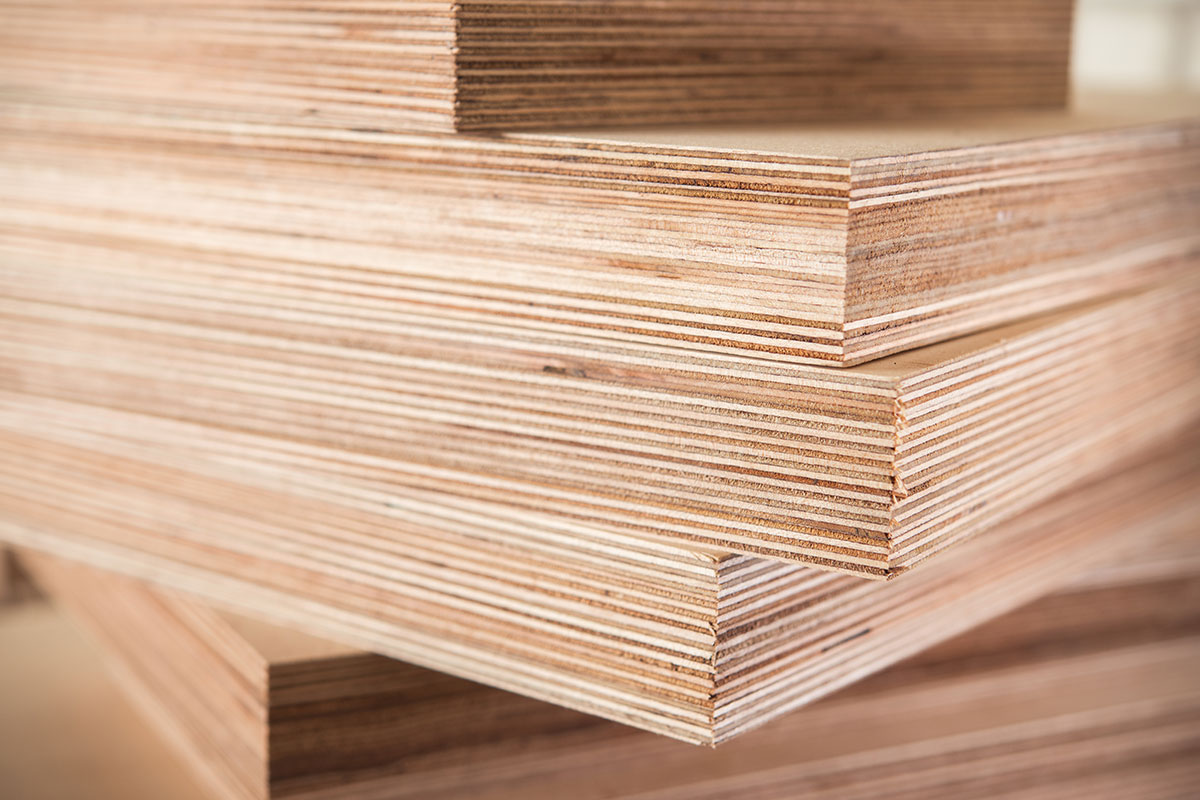
In plywood manufacturing, the highest-value material is found in the outer veneer layers, making it essential to preserve the log surface during debarking. Unlike sawmilling, where the outer layers are typically converted into wood chips, veneer production utilizes the log surface to produce high-quality veneer. Minimizing surface damage therefore maximizes raw material value and veneer yield.

In most veneer production processes, logs are soaked before peeling to improve veneer quality. Whenever possible, debarking should be carried out after soaking, as softened bark can be removed with lower tool pressure. This reduces the mechanical stress on the logs, feed rolls, and debarking tools while helping to preserve the log surface. Post-soaking debarking is particularly beneficial in regions where logs may freeze during winter. In addition, some wood species, such as birch, should always be soaked before debarking.

With decades of global experience, Valon Kone has extensive expertise in debarking the wood species used by the veneer and plywood industry. Our solutions have been proven in mills processing a wide variety of species around the world.

For birch processing, one of the most widely used solutions is the Valon Kone VK8032PLY debarker, specifically designed to meet the demanding requirements of veneer and plywood production.

For other hardwood and softwood species, Valon Kone's single-rotor debarkers are the preferred solution. Models including the VK90, VK100, VK110, VK1092, and the VK8000 series provide efficient, high-quality debarking with minimal fiber loss across a wide range of wood species and production environments.

We’re here to help!