What is Rotor Debarking?

Efficient, cost-effective debarking

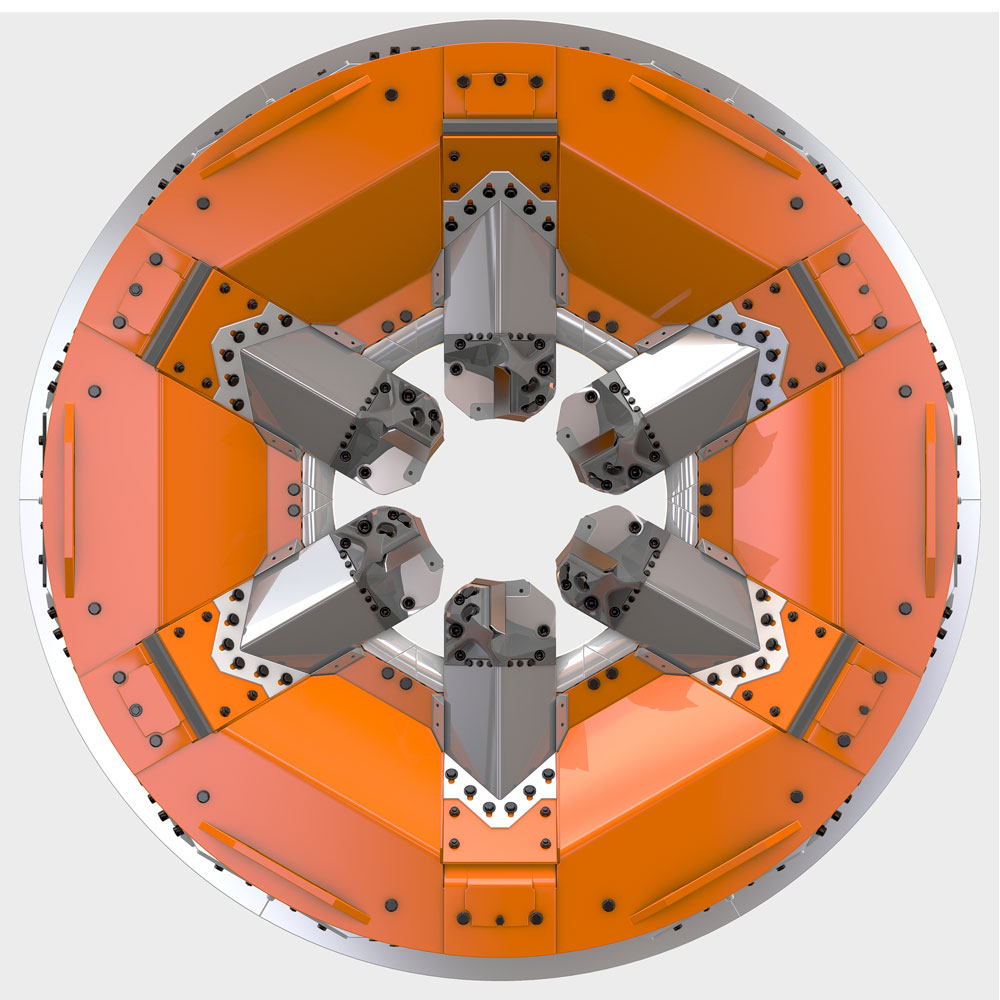
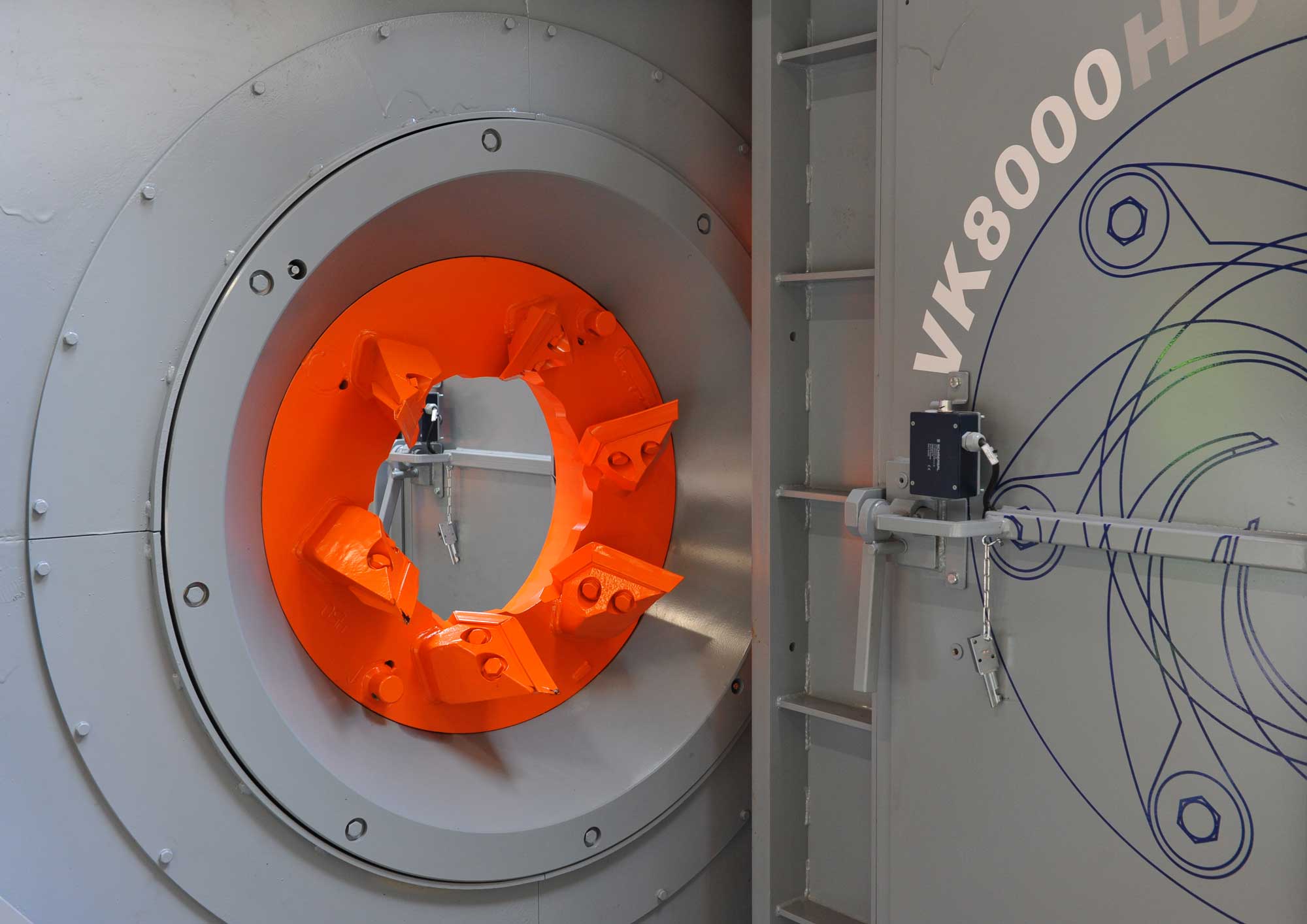
Rotor debarking is the leading log debarking method for sawmills and the wood panel industry, including plywood and LVL production. In the rotor debarking process, logs are fed into the machine one at a time, ensuring consistent and efficient bark removal. Rotor debarking is best suited for logs that meet specific size and quality requirements, delivering reliable performance and high debarking quality. By removing bark efficiently, rotor debarking improves downstream wood processing, increases raw material utilization, and supports the productivity and efficiency of modern production plants.
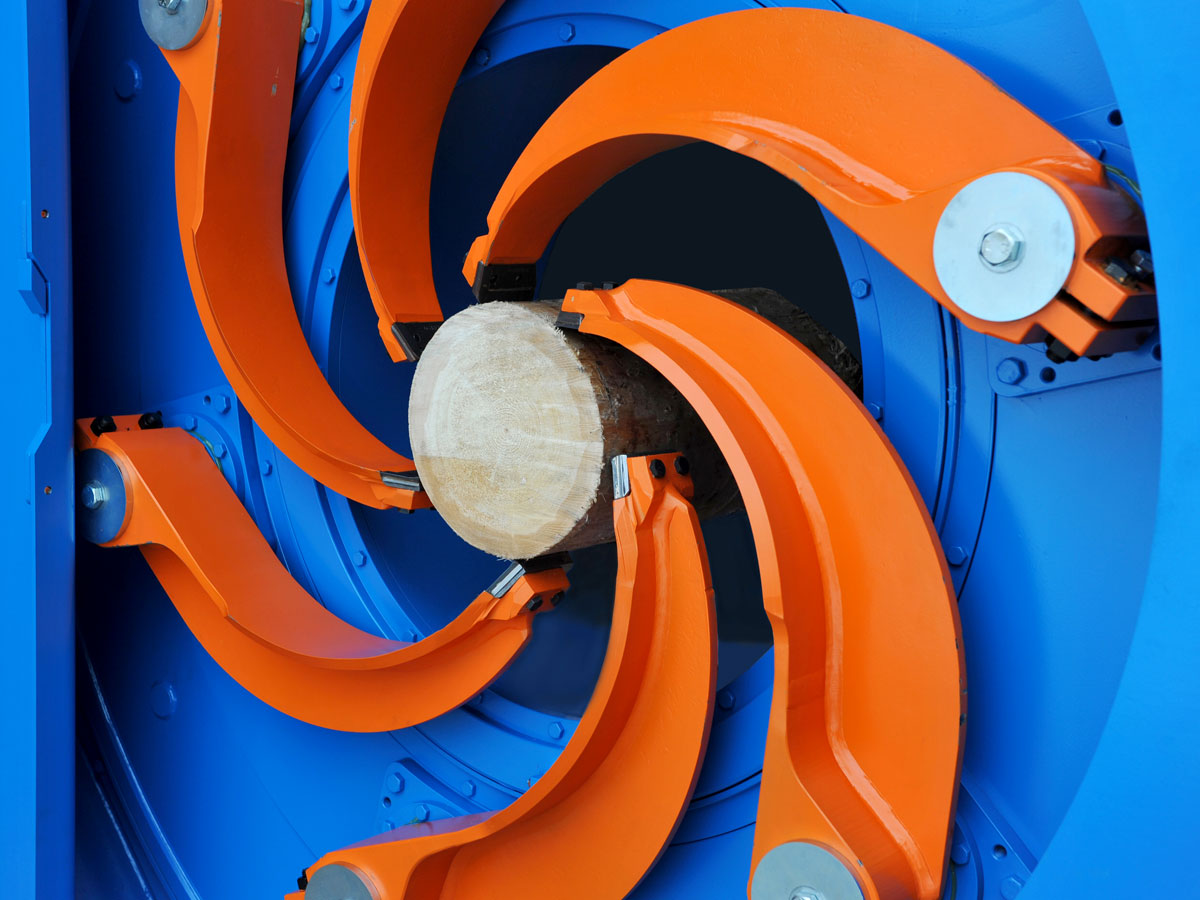
rotor debarking
  • A primary reason for debarking is to meet the quality requirements for wood chips produced as a by-product of the debarking process. These wood chips are widely used as a raw material in the pulp industry, where clean, bark-free chips are essential for efficient pulp production. The pulp is then processed into a wide range of paper and paperboard products.
  • Improved efficiency and lower operating costs are key reasons for using debarkers in sawmills and veneer or plywood production. Removing bark before sawing or veneer peeling significantly reduces tool wear and maintenance costs. With less frequent tool maintenance and reduced downtime, production processes become more efficient, helping manufacturers increase productivity and optimize overall plant performance.
  • In the chipboard and OSB industries, wood is also debarked before manufacturing, although the raw material cleanliness requirements are generally less strict than in the pulp industry. Because these industries typically use lower-quality raw materials, rotor debarking is not usually the most suitable solution. However, there are exceptions where rotor debarking can provide operational and economic benefits.

Learn More

Whole tree debarking vs. log debarking

Wood is brought to a mill either as whole trees or as logs cut to specific lengths. At mills that process whole trees, debarking is normally performed before cross-cutting. This means that there is no diameter sorting for trees before they come to a debarker. Normally, feed speeds are relatively low when debarking tree-length wood. We have extensive experience in debarking whole trees regardless of the country and wood species.

Whole Tree

For debarking entire trees, a debarker with a sliding ring is usually considered as the first option. In some cases, air seal technology in the debarking rotor can facilitate the debarking/cutting process significantly. Air seal technology enables you to stop a log inside the debarker. This helps production flow when trees must stop for cross-cutting.

Learn more about Our log debarker machines and butt reducers

Cut-to-length Logs

Mills that use cut-to-length logs in their process can organize for debarking to occur either before or after diameter sorting. Debarking speeds are normally much higher when processing logs compared to whole tree lengths. By debarking logs after they are diameter-sorted, you can optimize debarker operation and run at the highest possible feed speed without damaging the raw material or the equipment itself. Many times, log length becomes a critical parameter since any debarking equipment has a limited capacity to handle short logs.
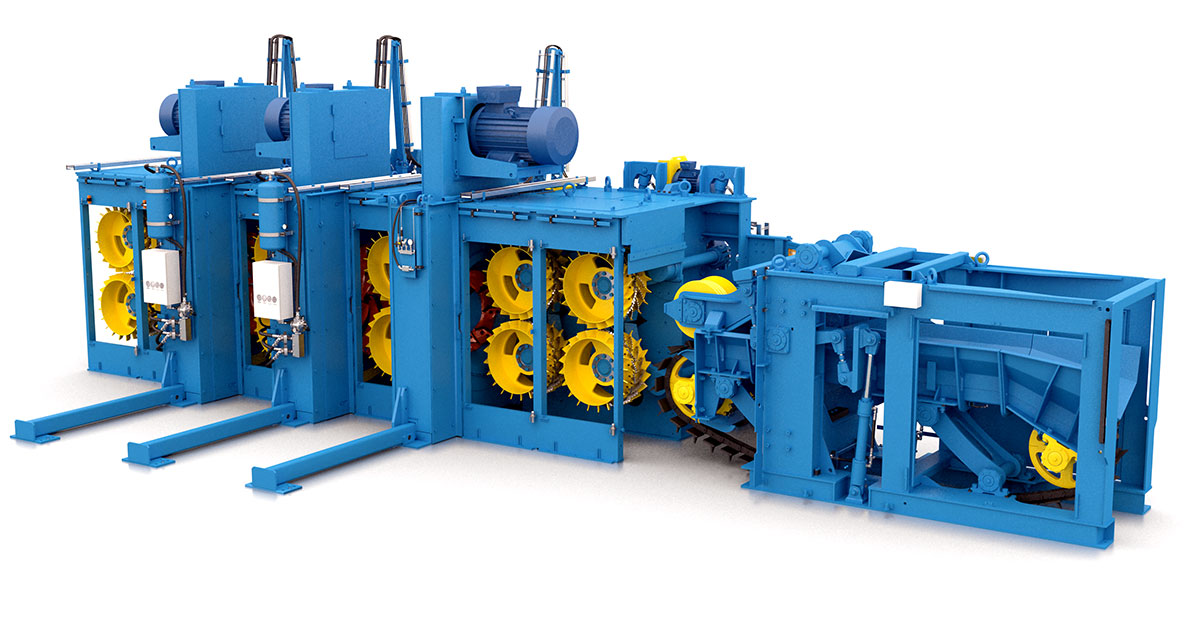
Learn more about Debarking in Sawmills and Plywood Mills

Expertise

Thousands of sawmills and wood panel mills around the world rely on Valon Kone's industrial debarking technology to achieve clean, high-quality debarking with minimal fiber loss. Proven across a wide range of wood species, our debarking solutions help customers improve raw material utilization, increase process efficiency, and deliver consistent production results.

  • What is Rotor Debarking?

    Learn more

  • How Debarking works in Sawmills & Plywood Mills?

    Learn more

  • Debarking Different Wood Species

    Learn more

  • VK Debarking & Butt Reducing Technology overview

    Learn more

Expertise

Infeed Conveyor VK72

VK72 robust simple centering infeed conveyor for improved log feeding in mills processing medium-sized and large logs

Our conveyor model VK72 is designed for mills using medium-sized and large logs. It belongs to the new generation of our centering conveyors. Many of these conveyors have already been delivered throughout the world. The VK72 conveyor is delivered as standard with all VK8000 heavy-duty debarker models.

Features

  • Robust and simple design, all critical components are strengthened when compared to older conveyor models
  • Hydraulic pressure system for conveyor through and pressure roll/flap
  • Pre-opening function for pressure roll/flap
  • Robust V-flight chain to push log forward into debarker
  • Automatic grease lubrication system as standard for points that require constant lubrication
  • Guard doors on both sides of the conveyor

Benefits

  • Accurate log centering both vertically and horizontally (X-Y centering) prevents log-end damage

  • Improved feeding of small, curved, and low-grade logs for optimal debarking quality with minimal fiber loss

  • Calms down log before entering debarker when feeding high-speed and/or without log-gap
  • Simple operating principle guarantees steady production

VK72

Infeed Conveyor VK72
Log diameter 80 - 800 mm (3"31")
Length of infeed conveyor 4800 mm (15' 9")
Height of infeed line 1240 mm (49")
Weight 9800 kg (21 600 lbs)
Drive 22 kW (30 HP)

Media

VK infeed conveyor

Infeed Conveyor VK52

VK52 robust simple centering infeed conveyor for improved log feeding in mills processing small and medium-sized logs

Our conveyor model VK52 is designed for mills using small- and medium-sized logs. It belongs to the new generation of our centering conveyors. Many of these conveyors have already been delivered throughout the world. The VK52 conveyor is delivered as standard with all VK5000 heavy-duty debarker models.

Features

  • Robust and simple design, all critical components are strengthened when compared to older conveyor models
  • Hydraulic pressure system for conveyor through and pressure roll/flap
  • Pre-opening function for pressure roll/flap
  • Robust V-flight chain to push log forward into debarker
  • Automatic grease lubrication system as standard for points that require constant lubrication
  • Guard doors on both sides of the conveyor

Benefits

  • Accurate log centering both vertically and horizontally (X-Y centering) prevents log-end damage

  • Improved feeding of small, curved, and low-grade logs for optimal debarking quality with minimal fiber loss

  • Calms down log before entering debarker when feeding high-speed and/or without log-gap
  • Simple operating principle guarantees steady production

VK52

Infeed Conveyor VK52
Log diameter 60 - 580 mm (2"-22")
Length of infeed conveyor 4460 mm (14' 6")
Height of infeed line 985 mm (39")
Weight 6900 kg (15 200 lbs)
Drive 22 kW (30 HP)

Media

VK infeed conveyor

Infeed Conveyor VK92

VK92 robust simple centering infeed conveyor for improved log feeding in mills processing large logs

Our biggest conveyor model VK92 is designed especially for mills using large logs. The VK92 conveyor is delivered as standard only for debarker models with rotor size Ø92 cm.

Features

  • Robust and simple design
  • Hydraulic pressure system for conveyor through and pressure roll/flap
  • Pre-opening function for pressure roll/flap
  • Robust V-flight chain to push log forward into debarker

Benefits

  • Accurate log centering both vertically and horizontally (X-Y centering) prevents log-end damage

  • Improved feeding of small, curved, and low-grade logs for optimal debarking quality with minimal fiber loss

  • Calms down log before entering debarker when feeding high-speed and/or without log-gap
  • Simple operating principle guarantees steady production

VK92

Infeed Conveyor VK92
Log diameter 100 - 930 mm (4"-36")
Length of infeed conveyor 5112 mm (16'9")
Height of infeed line 1535 mm (60")
Weight 11 500 kg (25 400 lbs)
Drive 22 kW (30 HP)

Media

vk infeed conveyor

Infeed Conveyor VK600

VK600 simple centering infeed conveyor for log feeding in mills processing medium-sized and large logs
Our conveyor model VK600 is designed for mills using medium-sized and large logs. Throughout the years, we have delivered hundreds of these conveyors to facilitate log debarking. Now the VK600 conveyor is delivered standard with the basic versions of the VK8000 series debarkers.

Features

  • Robust and simple design
  • Hydraulic pressure system for conveyor through and pressure roll/flap
  • Pre-opening function for pressure roll/flap
  • Robust V-flight chain to push log forward into debarker

Benefits

  • Accurate log centering both vertically and horizontally (X-Y centering) prevents log-end damage

  • Improved feeding of small, curved, and low-grade logs for optimal debarking quality with minimal fiber loss

  • Calms down log before entering debarker when feeding high-speed and/or without log-gap
  • Simple operating principle guarantees steady production

VK600

Infeed Conveyor VK600
Log diameter 100 - 780 mm
Length of infeed conveyor 4720 mm
Height of infeed line 1150 mm
Weight 5200 kg
Drive 15 kW

Centering Infeed Conveyors

A centering infeed conveyor is used when a debarker has a stationary (fixed) debarking rotor. It ensures the log’s accurate positioning into the debarker’s feeding line, as well as a good grip of the log when it enters the debarking rotor.

  • Infeed Conveyor VK450

    Infeed Conveyor VK450

  • Infeed Conveyor VK600

    Infeed Conveyor VK600

  • Infeed Conveyor VK52

    Infeed Conveyor VK52

  • Infeed Conveyor VK72

    Infeed Conveyor VK72

  • Infeed Conveyor VK920

    Infeed Conveyor VK92

Infeed Conveyor VK450

VK450 simple centering infeed conveyor for log feeding in mills processing small and medium-sized logs

Our conveyor model VK450 is designed for mills using small- and medium-sized logs. Throughout the years, we have delivered hundreds of these conveyors to facilitate log debarking. Now the VK450 conveyor is delivered standard with the debarker models VK26MX, VK26SMX, VK450, and with the basic versions of the VK5000 series debarkers.

Features

  • Robust and simple design
  • Hydraulic pressure system for conveyor through and pressure roll/flap
  • Pre-opening function for pressure roll/flap
  • Robust V-flight chain to push log forward into debarker

Benefits

  • Accurate log centering both vertically and horizontally (X-Y centering) prevents log-end damage

  • Improved feeding of small, curved, and low-grade logs for optimal debarking quality with minimal fiber loss
  • Calms down log before entering debarker when feeding high-speed and/or without log-gap
  • Simple operating principle guarantees steady production

VK450

Infeed Conveyor VK450
Log diameter 60 - 600 mm
Length of infeed conveyor 3484 mm
Height of infeed line 985 mm
Weight 3100 kg
Drive 11 kW

VFR - VARIABLE FLARE REDUCER

VK VFR Variable Flare Reducer for efficient log processing and butt reducing

VK butt reducing solutions are the trusted choice of leading sawmills across Scandinavia, Finland, and the Baltic countries — setting the standard for efficiency, reliability, and superior quality.

Compared to the fixed VK butt reducing rotor, the new Variable Flare Reducer (VFR) features a unique and intelligent design that automatically adjusts and repositions the cutting tools for each individual log. This fast, precise adaptation enables efficient processing even when logs are unsorted by diameter.

By performing flare reduction in-line, VFR eliminates unnecessary production stops and ensures continuous log flow. The result is higher productivity, improved material efficiency, and smoother operation — all in one integrated solution.

Features

  • Cutting tool positions are automatically adjusted for each individual log
  • Hydraulically powered tool positioning mechanism
  • Flare size, taper, and shape are measured before the log enters the debarker (via the light curtain in the VK infeed conveyor)
  • Reducing speed is automatically controlled and adapts to the volume of material being removed
  • Typically installed in the first rotor position of the machine frame, ahead of debarking — enabling a smaller debarking rotor size
  • Can operate independently of the debarking function
  • Available in three rotor sizes with maximum tool openings of 60 cm (24”), 65 cm (26”), and 78 cm (31”) — tool movement range up to 40 cm (16”)
  • Equipped with six cutting tools
  • Hydraulic pull-out system for service positioning
  • Capable of feeding logs either thin-end or thick- end first

Benefits

  • No log diameter sorting required prior to reducing
  • Easy operation with fully automatic tool positioning
  • Unlike fixed butt reducing rotors, no separate device is required to change settings or replace the reducing ring
  • Quick tool adjustment minimizes log gaps
  • Reducing is performed primarily at debarking speed without stopping the log — maximizing production output (unlike conventional cutter head reducers)
  • No need to remove logs from the infeed line for reducing, simplifying line planning and improving log flow (unlike conventional cutter head reducers)
  • Ensures stable production in all seasons, including when processing frozen logs

technical data

Rotor size VFR 600 VFR 650 VFR 780
Number of cutting tools 6 6 6
Tool opening, min./max. 20-60 cm (8-24") 25-65 cm (10-26") 38-78 cm (15-31")
Max. cutting/radius 10 cm (4") 10 cm (4") 10 cm (4")
Max. log diameter before reducing 80 cm (32") 85 cm (34") 98 cm (39")
Max. reducing length Not limited
(speed reduction for >1m (40’’))
Not limited
(speed reduction for >1m (40’’))
Not limited
(speed reduction for >1m (40’’))

Media

VFR BROCHURE

Fixed Butt Reducer

VK fixed butt flare reducing rotor

Our butt flare reducing rotor combined with the debarker has become standard, especially among sawmills in Scandinavia and the Baltic countries. Over the last 30 years, we have delivered more than 150 debarkers equipped with a butt reducing rotor. Due to the fixed setting of cutting knives, the VK butt reducer is mainly used in plants where logs are pre-sorted by diameter before debarking. Our fixed butt flare reducer is available with VK9000HD, VK8000HD and VK5000HD series debarker frames. Robust construction and simplicity of the system makes a VK reducer very reliable and easy to use.

Features

  • Butt reducing rotor is installed in machine frame’s first rotor position before debarking
  • Reducing tools are mounted on changeable reducing ring – separate change-over device is delivered to install and change RE-rings
  • RE-rings available from dia 22 up to max 60 cm
  • Ring has either five or six cutting tools, maximum cut 10 cm/radius – total diameter reduction of max 20 cm

  • Feedroll pressure control – pressure level of feedrolls is automatically adjusted to higher level during reducing

  • Feed speed control – speed is automatically slowed down when reducing large logs
  • Hydraulic pull-out system of rotor for changing reducing ring and for maintenance

Benefits

  • Butt reducing at debarking speed without log stoppage for maximum production output
  • No need to kick log aside feeding line which minimizes maintenance costs and guarantees steady production
  • Quick tool adjustment – changing a reducing ring takes about five minutes

  • Log feeding both thin- and thick-end first
  • VK’s proven butt reducing technology ensures steady production through all seasons even with frozen logs

Hydraulic Debarking Rotors

Rotor diameter Biggest reducing ring Max. log diameter before butt reducing
480 mm 450 mm 650 mm
620 mm 550 mm 750 mm
820 mm - -

Pneumatic Debarking Rotors

Rotor diameter Biggest reducing ring Max. log diameter before butt reducing
440 mm 400 mm 600 mm
560 mm 530 mm 730 mm
680 mm 600 mm 800 mm
920 mm - -

We’re here to help!